The Spring School
Spring school for the Personal Construct Psychology and Counselling programme, University of Padua and University of Hertfordshire.
Ova stranica još nije prevedena. Tekst ispod je na engleskom.
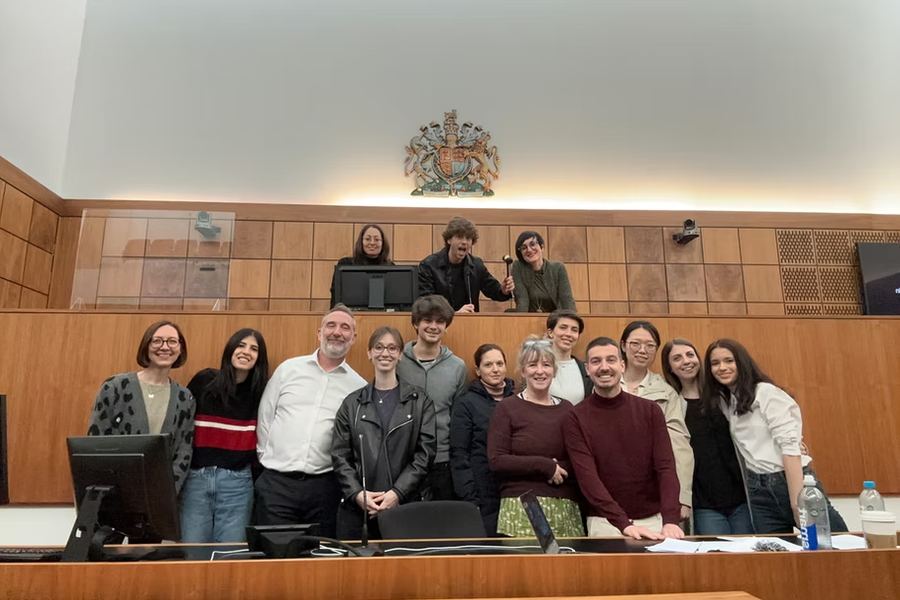
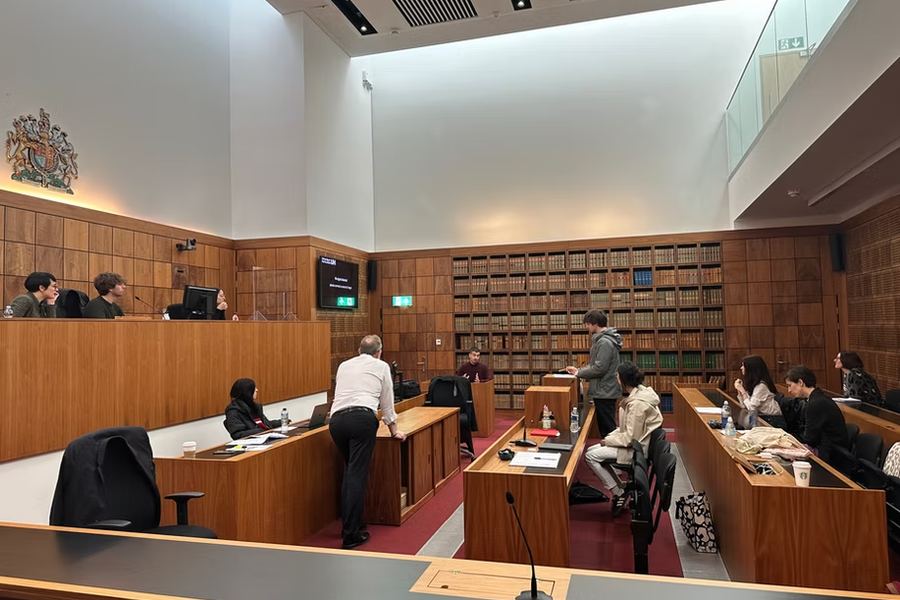
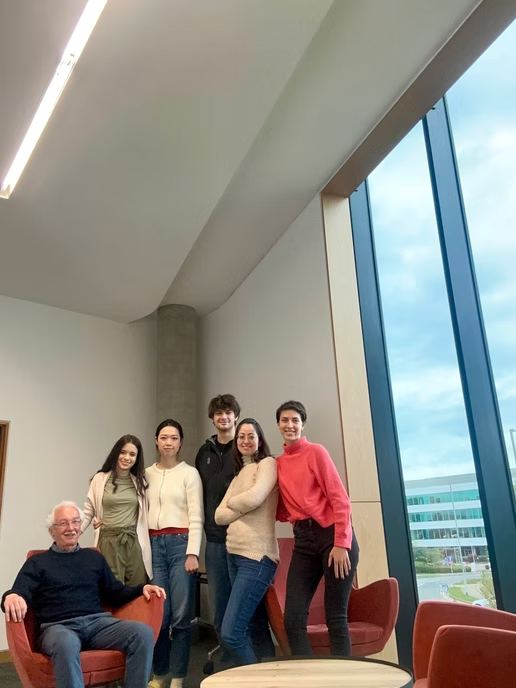
The spring school for the University of Padua’s Personal Construct Psychology and Counselling programme was a notable event, held at the University of Hertfordshire in the UK, which brought together students from five countries. The students attended classes and collaborated on projects over three days, marking both cohorts’ inaugural gathering. Experts such as Joanne Robinson, Ian Gillman-Smith and David Winter held sessions on themes ranging from childhood interventions to courtroom dynamics and constructivism.
This event was supported by the Personal Construct Education Trust. The grants provided by the Trust covered student lodging costs, ensuring accessibility and inclusivity. By removing financial restraints, the grants allowed students to fully immerse themselves in the educational opportunities offered at the spring school, maximising the value of their participation.
The spring school provided a forum for collaboration, knowledge exchange and the development of long-term connections. Its success emphasises the importance of collaboration and support within the academic community, which furthers the Trust’s aim to promote education and personal growth.
The Personal Construct Education Trust remains committed to its purpose of promoting education, research and professional development in Personal Construct Psychology and Counselling by continuing to sponsor projects such as the spring school.
The PC2 programme
The Personal Construct Psychology and Counselling (PC2) short specialisation programme is run jointly by the University of Padua and the University of Hertfordshire. It offers advanced competencies and practical tools in Personal Construct Psychology, and is designed for professionals in health, well-being, social care, education and public service sectors, for both national and international contexts. The course is conducted entirely in English, in a blended format that includes online lessons and two residential stays.
For information about the programme and upcoming cohorts, write to pc2.programme@unipd.it.